· 14 min read
How to Keep Your Slack Status Active All Day (Without Hacks)
Worried about going gray at the wrong moment in Slack? This guide explains how Slack auto-away really works, every common way people try to keep their Slack status active, and how to use safer, cloud-based automation so you look reliably “online” during work hours without resorting to risky hacks.

Direct Answer: Slack shows you as “active” when at least one client is connected and Slack sees recent activity; when your device sleeps or sits idle, Slack may mark you “away.” The safest ways to stay reliably active during work hours are (1) setting expectations and clear statuses, (2) fixing sleep/lock settings that disconnect Slack, and (3) using policy-friendly automation instead of device-level hacks. Avoid scripts, extensions, or hardware that can violate IT rules or trigger security alerts.
How to Keep Your Slack Status Active All Day (Without Hacks)
If you’ve ever Googled “how to keep Slack status active” or “Slack always online” at 11 p.m., you’re not alone.
If you searched specifically for how to keep Slack always active, the shorter quick-start version is here: how to keep Slack always active.
In a lot of remote and hybrid teams, that tiny green dot has become a stand‑in for reliability, effort, and—even if no one says it out loud—job security. When Slack decides you’re away, it can feel like your reputation is drifting with it.
This guide is for people who:
- Want to keep a steady presence during work hours
- Are tired of chasing “how to keep Slack active” tricks
- Don’t want to risk their job or their laptop with sketchy tools
We’ll walk through how Slack auto‑away actually works, the common ways people try to keep Slack status active, and what tends to be safer vs riskier in real workplaces.
If you’re here specifically to automate Slack status (calendar statuses, DND schedules, and team-friendly guardrails), start with the guide on automate Slack status.
Why Keeping Your Slack Status Active Feels So High-Stakes
In an office, people see you:
- Walking into the building
- Sitting in meetings
- Grabbing coffee and coming back
In a Slack-first workplace, all of that collapses into:
- Are you green?
- How quickly do you respond?
Even if your company says they care about outcomes, you may notice:
- Comments about who is “always online” vs “disappears a lot”
- Leaders praising people who reply in seconds
- Side‑eye when your dot is gray during “normal” hours
That pressure leads normal, responsible people to:
- Leave Slack open on every device
- Juggle mouse jigglers or scripts
- Obsess over “how to appear online on Slack all day” instead of doing deep work
You’re not trying to cheat. You’re trying not to be misunderstood.
If you want more of the cultural backstory behind “fake Slack presence,” see Fake Slack presence: why people do it, why it’s risky, and what to do instead.
How Slack Decides You’re Active or Away
Before you fight auto‑away, it helps to understand what Slack is actually looking at.
At a high level, Slack presence depends on three things:
Is one of your Slack clients connected?
- Desktop app, browser tab, or mobile app needs to be actively signed in.
- If all of them disconnect (laptop off, browser closed, phone offline), you’ll drift to “away.”
Has there been recent activity?
- Mouse/keyboard input on the device running Slack.
- Interactions inside Slack itself (scrolling, opening channels, sending messages).
- After a period of inactivity (usually several minutes), Slack flips you to away automatically.
Your manual controls
- You can explicitly set yourself to “away.”
- You can set a custom status (“Lunch, back at 1:00”) and Do Not Disturb windows.
A couple of important nuances:
Presence isn’t the same as status.
Your “active/away” state is different from your custom status text. You can be “active” with no status, or “away” with “WFH today” as your status.Your OS matters.
If your computer sleeps, closes network connections, or kills background apps aggressively, Slack will lose its connection and go gray even if you’re technically “at work.”
That’s why “just wiggle the mouse every few minutes” became such a common workaround—and why it doesn’t always play nicely with security tools or corporate policies.
If you’re on a highly managed device, see how to keep your Slack active on a locked-down corporate laptop (without installing anything).
The Main Ways People Try to Keep Slack Status Active
Once you understand the signals, the usual strategies to keep Slack status active fall into a few buckets:
- Do nothing and accept auto-away.
- Tweak Slack and system settings.
- Use hacks (mouse jigglers, scripts, browser tricks).
- Use cloud-based Slack status automation.
Let’s walk through each, with trade‑offs.
Option 1: Accept Auto-Away (and Fix Expectations)
The simplest way to “fix” auto‑away is not to fight it at all.
In healthier teams, it’s perfectly normal for your status to bounce between active and away during the day. People trust that:
- Sometimes you’re in meetings, not typing
- Sometimes you’re doing deep work away from chat
- Sometimes you’re making lunch or taking a walk
If that describes your environment, your first move shouldn’t be “find a tool.” It should be:
- Make your working hours visible in your Slack profile
- Use statuses like “In focus time, replies may lag”
- Align with your manager on what “responsive enough” means
If you can realistically do that, you might not need to worry about how to keep Slack active at all. Auto‑away becomes a neutral signal instead of a threat.
But if you’re reading this, there’s a good chance that’s not your reality—yet.
Option 2: Tweak Slack and Device Settings First
Before you reach for anything external, it’s worth tuning what you already control.
Use Slack’s built-in tools
A few simple habits can reduce “where did you go?” moments:
Set a clear status during the day
- “Heads down on a project, replies slower.”
- “In meetings 1–4 p.m., will respond after.”
- “Lunch, back at 1:00.”
Use Do Not Disturb instead of disappearing
- Set recurring DND windows for deep work.
- This tells people “busy but working,” not “mysteriously offline.”
Install Slack on your phone (with boundaries)
- Useful as a backup when your laptop reboots or updates.
- Just make sure you tune notifications so you’re not on-call 24/7.
The newer article on how to stay active on Slack without being at your computer goes deeper on this “presence without babysitting” angle.
Adjust your OS sleep and screen saver settings
On your primary work machine:
- Extend the time before sleep or screen lock during work hours.
- Prevent the system from sleeping when plugged in (if your policies allow it).
- Avoid aggressive battery‑saving modes that kill background apps.
This can buy you a bit more time before Slack marks you away. But it doesn’t solve:
- Stepping away for more than a short break
- Laptops that must lock quickly for security reasons
- Situations where you need to close the lid and move around
It’s a good baseline, not a complete solution.
Option 3: Hacks to Stay “Slack Always Online” (and Their Risks)
When settings aren’t enough, people start searching for “Slack always online” or “keep Slack green without moving mouse.” That’s where the hacky options come in.
Mouse jigglers and USB devices
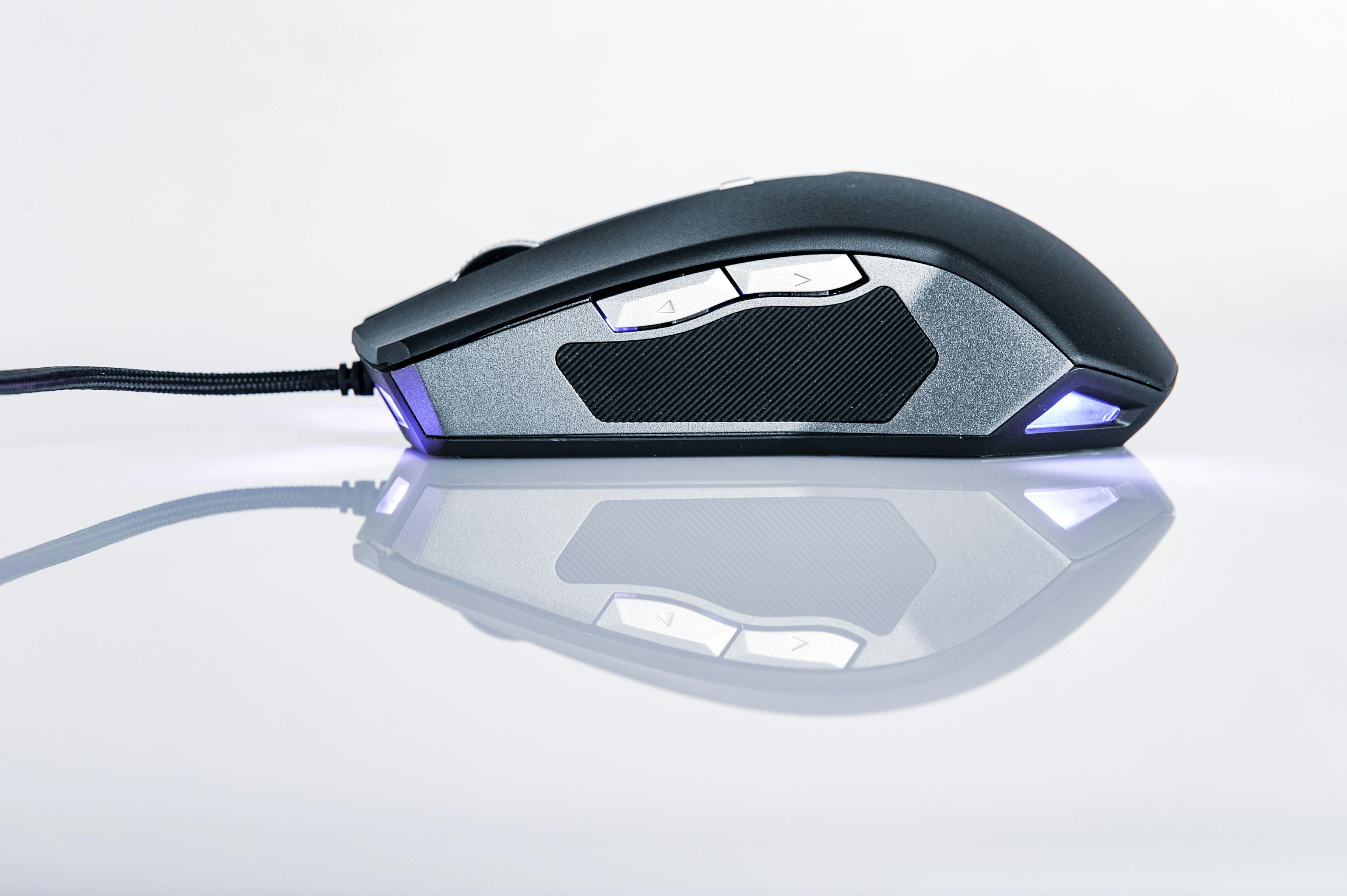
These are physical gadgets that gently nudge your mouse so your computer never idles.
Pros:
- Simple to understand
- Often plug‑and‑play
- Keep your OS and Slack thinking you’re “active”
Cons:
- Laptop must stay on, often open and plugged in
- Some security teams explicitly block or forbid them
- Easy to notice if someone sees your desk setup
If you’re tempted by this route, the comparison in cloud service vs mouse jiggler is worth reading before you trust your job to a USB dongle.
Scripts, browser tricks, and extensions
The software version of a mouse jiggler:
- Tiny scripts that move your cursor a pixel every few seconds
- Browser extensions that auto‑refresh Slack
- Loops that send fake keystrokes or scroll events
Risks:
- Many violate acceptable use policies on corporate machines
- Some require scary browser permissions (“read and change data on all websites you visit”)
- You’re often copy‑pasting code from strangers into a device that holds sensitive data
If privacy is a concern, the article on keeping Slack active without giving apps access to everything is worth a careful read.
Heavyweight Slack apps and bots
Some tools install a visible bot or app into your workspace and try to manage presence from there.
Upsides:
- Can offer more controls than simple jiggler tools
- Sometimes support basic schedules or automations
Downsides:
- Usually require workspace‑level approval
- May ask for broad scopes (read channels, messages, files) when you only need presence
- Create an audit trail that can look odd if the tool is just there to “fake” online status
For cautious employees, this often feels riskier than helpful. For a security‑focused breakdown, see why not all “stay online” tools are safe.
Option 4: Use Cloud-Based Slack Status Automation
If you work somewhere that still implicitly expects you to stay “Slack always online” during work hours, constantly fighting auto‑away by hand is exhausting.
A healthier long‑term pattern is:
“When I’m scheduled to be working, my Slack presence should reflect that—whether or not I’m touching the keyboard every minute.”
That’s where cloud-based Slack status automation comes in.
Instead of:
- Running scripts on your corporate laptop
- Leaving a browser video playing in the background
- Plugging a gadget into your USB port
…you connect a small, account-level service to your Slack account (for example, a tool like Idle Pilot).
At a high level, it works like this:
Connect your Slack account
- You sign in with Slack, but you’re not installing a workspace bot.
- It’s scoped to your individual account, not the entire company.
Set a schedule that reflects reality
- For example: Monday–Friday, 9:00–17:30 in your time zone.
- You can include buffer time around your day if you tend to start early or end a bit late.
Let a cloud worker keep you steadily “active” during that window
- Your presence stays green even if your laptop sleeps, reboots, or you step away.
- When your schedule ends, the automation stops—no pretending you’re online at midnight.
Common advantages over hacks:
- No desktop install on corporate machines
- No browser extension watching everything
- No visible Slack bot sitting in channels
- Works even when your laptop is closed because it runs in the cloud
If you choose this route, focus on tools that are schedule-based, narrowly scoped, and easy to pause (vacation, sick time, focus blocks).
Where Cloud-Based Presence Tools Fit
Cloud tools can reduce “presence babysitting” by keeping your account active only during the working hours you choose.
Account-level and schedule-based
With it, you can:
- Define working hours that reflect your real day
- Include breaks and focus blocks without going “mysteriously away”
- Update your schedule when your role, time zone, or team changes
Instead of trying to keep Slack status active 24/7, you aim for a consistent, human schedule that your manager and teammates can rely on.
No local installs (in many cases)
Because the work happens off-device:
- You don’t need admin rights or approval to install anything locally
- Your laptop can sleep, update, or sit closed in a backpack
- It’s especially useful if IT tightly locks down software and extensions
If that’s your world, see Slack presence on locked-down corporate laptops.
Designed for cautious employees and teams
Whichever tool you use, look for narrow permissions (only what’s necessary), clear documentation, and predictable schedules rather than “24/7 guaranteed green” claims.
Slack Hacks vs Slack Status Automation: A Quick Comparison
Here’s what typically matters to people trying to keep their Slack status active all day:
- Works when the laptop is closed or asleep
- Doesn’t require breaking IT rules
- Doesn’t need scary permissions
- Helps with burnout instead of making it worse
If you sketch this as a mental table:
Mouse jigglers
- ✅ Simple, no account connection
- ❌ Laptop must stay on and often open
- ❌ Often frowned on by security teams
Scripts / extensions
- ✅ Can be flexible
- ❌ Live on your corporate device
- ❌ Permissions and code origin can be risky
Workspace bots
- ✅ Potentially powerful
- ❌ Visible to admins, sometimes to everyone
- ❌ May request wide scopes beyond presence
Cloud-based presence tools like Idle Pilot
- ✅ Work even when your computer is off
- ✅ No local software on locked‑down machines
- ✅ Designed to line up with honest schedules, not 24/7 fakery
For more alternatives, see Slack mouse jiggler alternatives: 7 safer ways to stay green.
A Healthy Strategy to Keep Slack Status Active (Step by Step)
If you want to keep your Slack status active without burning out or breaking rules, here’s a practical blueprint:
Step 1: Get clear on what’s expected
Have a short, honest conversation with your manager:
- “What does ‘responsive enough’ look like in this role?”
- “Is it okay if I’m sometimes gray but still working?”
- “I’m planning to make my Slack presence match my working hours more consistently—anything I should know before I do that?”
Pair this with your company’s acceptable use and security policies so you’re not choosing tools that will get you in trouble.
Step 2: Fix the easy stuff
- Tune Slack statuses and DND so auto‑away has context.
- Adjust sleep settings within what’s allowed.
- Decide whether the mobile app helps or just stresses you out.
Sometimes this alone lowers the anxiety enough that you don’t need anything more.
Step 3: Decide whether you need automation
If you consistently find yourself:
- Babysitting Slack so you don’t go gray
- Leaving the laptop open on a couch just to look online
- Searching for yet another “how to stop Slack auto‑away” trick
…then automation might actually reduce how much you have to think about Slack, instead of increasing it.
The supporting guide on how to stop Slack auto‑away on Mac, Windows, and web walks through the tactical settings side in more detail.
Step 4: Set up schedule-based automation (if you choose to)
With a tool like Idle Pilot:
- Connect your Slack account.
- Set a schedule that matches your real working hours, not fantasy “always on.”
- Test it on a normal weekday and adjust if your day tends to start earlier or later.
From there, your Slack presence can be boringly predictable, while you focus on actual work instead of the green dot.
For teams interested in rolling this out more broadly, the in‑depth guide to Slack status automation for remote teams covers patterns for setting sane defaults without turning your team into a surveillance operation.
Conclusion: Keep Slack Honest, Not Perfect
You shouldn’t have to strap a mouse to a fan or keep a YouTube video looping all day just to convince people you’re working.
If you:
- Care about your reputation
- Work in a Slack‑heavy culture
- Feel the pressure every time your status flips to away
…then it makes sense to think about how to keep your Slack status active more reliably.
The key is how you do it:
- Start by fixing expectations and using Slack’s built‑in tools.
- Avoid hacks that violate policies, invade your privacy, or require constant babysitting.
- If you need extra help, choose a cloud-based tool like Idle Pilot that mirrors your real working hours, not 24/7 presence theater.
Used well, automation doesn’t have to be dishonest. It can simply make your online presence a clearer, calmer reflection of when you’re actually “here.”
If you’re considering automation, read the permissions carefully, keep it schedule-based (not 24/7), and make sure it aligns with your company policies before you connect anything.
FAQ: Keeping Your Slack Status Active All Day
How do I keep my Slack status active without moving my mouse?
The safest way to keep Slack status active without constantly touching your mouse is to:
- Keep at least one Slack client (desktop, web, or mobile) signed in
- Tune your sleep settings so your device doesn’t instantly disconnect during short breaks
- Use a cloud-based presence helper like Idle Pilot to keep you green during your working hours, even if your laptop sleeps
That gives you “always online during work” behavior without relying on scripts or USB gadgets.
How long before Slack sets me to away?
Slack doesn’t publish an exact number, but in practice your presence usually flips to away after several minutes of inactivity:
- No keyboard/mouse input on the device running Slack
- No interactions inside the app
- Or your device going to sleep or losing network connection
If you’re hitting away states during normal work, check both your OS sleep settings and your Slack client (desktop vs web vs mobile) before you assume something’s wrong.
Is it okay to appear online on Slack all day?
It depends on how you do it and what you’re representing.
If you’re:
- Using automation to reflect reasonable working hours
- Still responding to people and doing real work
- Honest about when you’re truly unavailable (vacation, sick, offline)
…then “steady green during work hours” is usually fine, and often less confusing than constantly bouncing between states. What’s riskier is pretending to be online late at night or on weekends just to look good.
Can my company tell if I’m using a tool to keep Slack active?
In many cases, managers just see your presence as “active” or “away,” not which specific client or tool kept you online. That said:
- Security and IT teams may have more visibility, especially on corporate devices
- Suspicious scripts, extensions, or USB devices are more likely to raise flags
- Workspace‑wide Slack apps and bots are more visible than quiet, account‑level tools
If you’re cautious, pair cloud automation with a clear understanding of what your company can see in Slack and your local policies.
What’s the difference between Slack status automation and “faking it”?
Slack status automation is best used to make your presence match your real working pattern, not to simulate work when you’re off the clock.
If you set a realistic schedule, communicate clearly, and use automation mainly to avoid being penalized for five‑minute breaks or deep work, you’re using it as a guardrail—not a disguise.
- slack
- remote work
- productivity